
How Athletes Lose Weight Without Sacrificing Strength or Performance
Introduction
For many athletes, reaching an optimal weight or body composition is part of the equation for peak performance. But weight loss can sometimes come at a cost—loss of strength, fatigue, or even decline in performance. The good news is, it doesn’t have to happen that way. With smart strategies grounded in both physical and mental science, athletes can shed fat while maintaining, or even improving, strength and performance.
As a performance psychologist, I’ve observed that the mind plays just as vital a role as the body in this process. In this post, you’ll learn actionable approaches combining training, nutrition, recovery, and mental tools so you can lose weight safely without compromising your athletic capabilities.
1. Set a Sustainable, Science-Backed Plan
- Gradual weight loss is safer. Rapid weight cuts (especially those common in combat sports) often lead to loss of muscle, dehydration, reduced strength, or impaired metabolic and immune function. Aim for moderate calorie deficits, perhaps 0.5-1% of body weight per week depending on sport. (Physiological & psychological literature supports maximizing fat loss while minimizing muscle wasting. (PMC))
- Periodize your approach. Plan around off-season or lower training load periods so that you can focus on adjustments (nutrition, body composition) when performance demands are slightly lower.
- Monitor body composition. Don’t rely solely on the scale. Strength metrics, performance outputs, body fat / lean mass, how you feel in training, etc., are more reliable indicators of whether you’re maintaining strength.
2. Maintain Strength and Power Through Smart Training
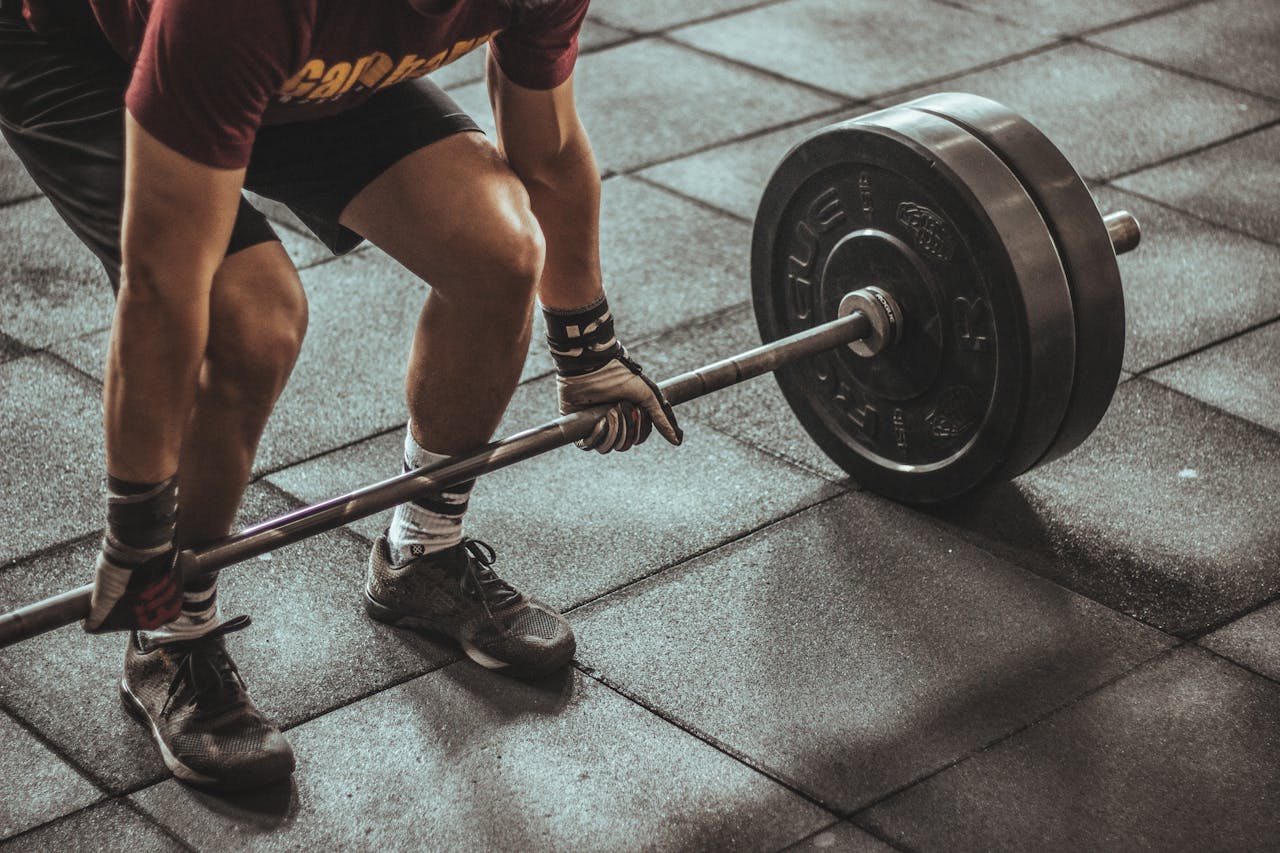
- Preserve strength training volume and intensity. Even while in a calorie deficit, keep lifting heavy (relative to your ability) to stimulate muscle retention. Lower total volume slightly if needed but avoid dropping intensity.
- Include both resistance work + metabolic conditioning. Use strength training to hold onto muscle; metabolic conditioning—HIIT, sprints, etc.—to help with fat loss while keeping performance capacity. But ensure you don’t overdo metabolic work to the point of undermining recovery.
- Recovery & rest are non-negotiable. Sleep, rest days, mobility work, soft tissue recovery are essential. Under-recovering causes loss of performance and increases injury risk.
3. Fuel Wisely: Nutrition, Timing, and Recovery
- Adequate protein intake. Helps preserve muscle during weight loss and supports repair. Many athletes benefit from 1.6-2.2 g protein per kg body weight per day (adjust for individual sport, gender, training load).
- Timing matters. Providing nutrients around workouts (before & after) helps with performance and recovery. Post-workout protein + carbohydrate helps replenish muscle glycogen, attenuate muscle damage.
- Avoid extreme restriction or skipping meals. Under-fueling can lead to Relative Energy Deficiency in Sport (RED-S), hormonal disruptions, decreased mood, impaired immune function. (Skadi Sport Psychology, PLLC)
- Hydration & micronutrients. These often get overlooked but are crucial. Dehydration harms both strength & cognitive performance; micronutrient deficiencies affect energy, recovery, mood.
4. Mental Strategies: Your Secret Weapon
Here’s where a performance psychologist becomes especially valuable:
- Goal Setting & Progress Markers Beyond the Scale.
Instead of obsessing over body weight, set goals around strength improvements, performance metrics (speed, power, endurance), consistency of training, recovery. This shifts focus to what you can control. - Self-Talk, Visualization, and Mental Rehearsal.
Visualizing successful workouts, encouraging internal dialogue (for example, “I have fuel for this session,” or “I recover well”) helps sustain confidence and effort during challenging phases. - Mindfulness & Stress Management.
Stress (from training, life, expectations) can affect appetite, sleep, hormone balance, recovery. Techniques like mindfulness meditation, breathing exercises, relaxation routines help manage stress. - Cognitive Behavioral Techniques (CBT).
Identify unhelpful thought patterns (“If I’m not cutting fast I’m weak”, “I must look a certain way to deserve performance”) and reframe them. Work with a performance psychologist to challenge and adjust these mental beliefs. - Monitoring mental fatigue & psychological readiness.
Mood, motivation, fatigue are early indicators it might be time to back off. Keeping a journal or using athlete well-being scales can help.
5. Common Pitfalls & How to Avoid Them
| Pitfall | Why It Hurts Strength or Performance | How to Avoid It |
| Too large calorie deficit | Muscle breakdown, energy loss, impaired recovery | Aim for modest deficits; adjust based on how training performs |
| Cutting weight during high-stakes competition | Risk of decreased power, concentration, increased injury | Plan weight loss in off-season; taper deficits around key events |
| Skipping rest / overtraining | Increased fatigue, burnout, lower performance | Scheduled rest days, listening to body, adjusting load |
| Neglecting mental state | Stress, anxiety, loss of focus, lower motivation | Use mental skills training; consult a performance psychologist |
6. Real-Life Example or Case Illustration
Case: An endurance athlete aiming to drop 8% body fat over 12 weeks without losing performance. Under guidance: moderate deficit, high protein, preserved strength workouts, tapering of cardio intensity in final weeks, plus weekly sessions with a performance psychologist for mindset work. Outcome: lost fat, improved power-to-weight ratio, maintained endurance times and strength metrics.
Conclusion & Key Takeaways
- Weight loss doesn’t have to mean loss of strength. When done properly—gradually, with proper training, nutrition, recovery—you can preserve or even improve performance.
- Your mind is as important as your muscles. Working with a performance psychologist adds tools to maintain confidence, manage stress, keep you motivated and resilient.
- Measure progress beyond the scale. Use strength, body composition, performance metrics, how you feel to gauge success.
- Stay patient and consistent. Sustainable progress beats rapid but risky gains.
If you are looking for help designing a plan that honors both weight goals and athletic performance, or want strategies for your mindset during the process, feel free to reach out via AthletesInTheZone. Your body, mind, and sport all thrive when they work together.