How Fitness Icons Changed the Way Americans Think About Healthy Living
Healthy living has always been influenced by more than doctors and scientific research. For generations, charismatic athletes, television personalities, magazine cover stars, and fitness instructors have inspired millions of Americans to rethink how they exercise, eat, and care for themselves. From black-and-white television broadcasts to TikTok workout videos, these public figures have helped turn fitness into an important part of everyday popular culture. Today's fitness influencers may dominate social media feeds, but they follow a tradition that stretches back well over a century. Every generation has embraced new personalities and new technologies that made exercise feel exciting, achievable, and even fashionable. Along the way, fitness became more than a personal goal—it became a cultural movement that continues shaping how Americans define health and wellness.
From Magazines to Social Media: How Fitness Icons Were Born
Fitness culture didn't begin with smartphones or social media. During the late nineteenth and early twentieth centuries, physical culture movements encouraged Americans to view strength, exercise, and proper nutrition as important parts of everyday life. Newspapers and magazines introduced readers to athletes, bodybuilders, and health advocates whose routines promised stronger bodies and healthier lifestyles. As television became a household staple, fitness personalities reached even larger audiences. Jack LaLanne inspired viewers through decades of television workouts, while later figures such as Jane Fonda, Richard Simmons, and Denise Austin brought energetic exercise programs directly into American living rooms. Their approachable personalities helped convince people that regular exercise wasn't reserved for professional athletes—it was something nearly everyone could enjoy. Social media has accelerated that same tradition rather than replacing it. Platforms like YouTube, Instagram, and TikTok allow modern fitness creators to share workouts, meal ideas, and motivational stories with audiences around the world every day. The methods have evolved dramatically, but the core message remains familiar: healthy living feels more achievable when people see relatable role models putting those habits into practice.
The Fitness Icons Who Defined Each Generation
Every era has produced influential fitness personalities who reflected the values and lifestyles of their time. Jack LaLanne encouraged Americans to embrace exercise during an era when structured fitness routines were still uncommon. Jane Fonda's workout videos transformed home exercise during the 1980s, while Richard Simmons became known for making fitness welcoming, positive, and accessible to people of all ages and abilities. These pioneers remain among the fitness icons who influenced healthy living, inspiring generations to make exercise and wellness part of everyday life. The following decades introduced new styles of fitness leadership. Arnold Schwarzenegger inspired millions through bodybuilding and Hollywood, Billy Blanks popularized Tae Bo by combining martial arts with cardio workouts, and Jillian Michaels motivated viewers through reality television. Today's generation follows creators on YouTube, Instagram, and TikTok instead of purchasing workout tapes or DVDs. Personalities such as Chloe Ting, Joe Wicks, Pamela Reif, and many certified trainers now reach millions through short videos, livestreams, and interactive fitness programs. While the platforms have changed, each generation continues looking to recognizable figures for inspiration, motivation, and practical guidance.
How Fitspiration Culture Reshaped Americans' Health Habits
The rise of social media introduced a new form of fitness motivation commonly known as "fitspiration." Instead of waiting for monthly magazine issues or scheduled television programs, people now encounter workout tips, healthy recipes, transformation stories, and motivational messages throughout the day. These constant reminders have made health and fitness a much more visible part of everyday digital life. Research suggests that this type of content can influence attitudes toward healthy living in meaningful ways. Millions of users follow fitness accounts that encourage balanced nutrition, regular movement, and realistic goal setting. Studies have found that body-positive and fitspiration content can improve weight satisfaction while encouraging healthier eating habits, particularly when creators emphasize long-term wellness instead of unrealistic perfection. At the same time, fitspiration has changed how Americans discuss health online. Workout progress, meal preparation, running milestones, and personal achievements have become common topics across social media, creating communities where people encourage one another to stay active. Rather than exercising alone, many individuals now find motivation through shared challenges, supportive online groups, and creators who celebrate consistency over quick results.
Do Fitness Influencers Actually Change How You Eat and Exercise?
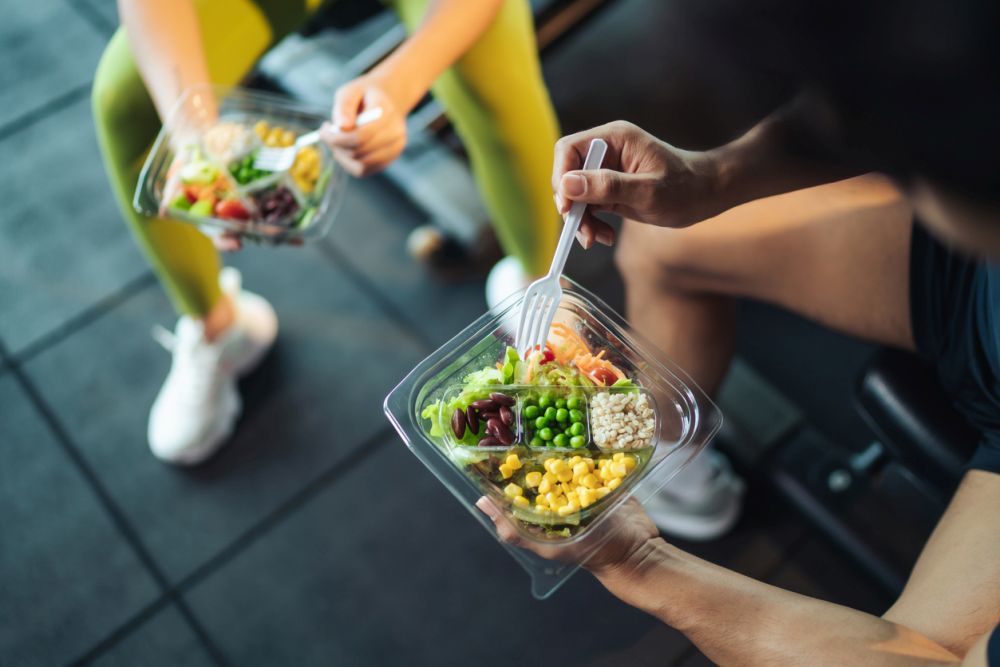
With millions of followers across social media, fitness influencers clearly attract attention—but do they actually change behavior? Research suggests the answer is yes, although the effects vary. Many people report making healthier food choices, trying new workout routines, or becoming more aware of nutrition after regularly following trusted fitness creators. Daily exposure to practical tips and encouraging messages can make healthy habits feel more approachable than they once did. What influencers often do best is reduce the barrier to getting started. A 15-minute home workout, a simple meal-prep video, or a beginner-friendly stretching routine feels achievable for someone who might otherwise feel intimidated by a gym. Many creators also document their own progress over time, reminding followers that lasting results usually come from consistency rather than dramatic overnight transformations. However, watching content alone rarely creates lasting change. Studies indicate that while fitness content can improve motivation and encourage healthier eating habits, long-term exercise routines still depend on personal commitment. The most successful influencers inspire action, but individuals ultimately achieve results by turning that inspiration into regular habits that fit their own lifestyles.
How Home Workout Videos Became Pop Culture
Long before smartphones and fitness apps, home workout videos transformed exercise into a mainstream form of entertainment. During the 1980s and 1990s, VHS tapes featuring instructors like Jane Fonda, Richard Simmons, and Denise Austin became household staples. Millions of Americans exercised in their living rooms, making fitness feel both convenient and enjoyable without requiring expensive gym memberships. As technology evolved, DVDs introduced new workout programs such as P90X, Tae Bo, and later Insanity, each building devoted communities of followers. Interactive systems like Nintendo's Wii Fit added another layer by turning exercise into a game that families could enjoy together. These programs demonstrated that workouts could be engaging, social, and even fun, helping fitness become part of everyday pop culture rather than simply another health recommendation. Today's home workouts look very different, but they follow the same tradition. YouTube channels, livestream classes, subscription platforms, and fitness apps now offer thousands of free and paid programs for every experience level. Whether someone prefers yoga, strength training, dance workouts, or high-intensity interval training, digital platforms have made exercising at home more accessible than ever before while continuing the legacy started by earlier fitness icons.
How Celebrity Fitness Trends Influenced Everyday Americans
Celebrity culture has played a major role in shaping fitness trends for decades. Actors, musicians, and professional athletes often introduce workout routines, training methods, or nutrition habits that quickly attract public attention. Magazine covers, television interviews, and now social media have allowed fans to follow the fitness journeys of their favorite celebrities more closely than ever before. Some trends have remained popular for years, while others fade after a brief moment in the spotlight. High-intensity interval training, yoga, Pilates, strength training, and functional fitness have all experienced surges in popularity after being embraced by well-known public figures. Celebrities have also helped normalize working with personal trainers, meal planning, and viewing exercise as part of a balanced lifestyle rather than simply a way to lose weight. Although celebrity routines often need to be adapted for everyday life, their influence continues encouraging people to explore new forms of exercise. Many Americans discover activities they genuinely enjoy because a favorite actor, athlete, or musician first inspired their curiosity, demonstrating how entertainment and healthy living often influence one another.
What Fitness Icons Get Right About Exercise and Nutrition
Although trends in fitness come and go, many successful fitness icons continue promoting advice that aligns with well-established health recommendations. Most encourage regular physical activity, balanced nutrition, adequate sleep, hydration, and gradual progress instead of relying solely on quick fixes. These core principles have remained remarkably consistent despite changing technologies and workout styles. Health organizations such as the American Heart Association and the Centers for Disease Control and Prevention recommend at least 150 minutes of moderate aerobic activity each week along with regular strength training. Many respected fitness professionals build their programs around these same guidelines, emphasizing sustainable routines that people can realistically maintain over time. Rather than focusing exclusively on appearance, they increasingly highlight energy, mobility, strength, and overall well-being. Perhaps the greatest lesson many fitness icons share is that lasting health is built through consistency. Small improvements repeated over weeks and months often produce better long-term results than extreme diets or exhausting workout programs. By encouraging realistic expectations and celebrating steady progress, influential fitness personalities have helped many Americans develop healthier relationships with exercise and nutrition that extend far beyond temporary trends.
The Hidden Risks of Following Fitness Influencer Culture
While fitness influencers can provide valuable motivation, it's important to recognize that not everything shared online is based on reliable evidence. Carefully edited transformation photos, dramatic before-and-after comparisons, and highly curated lifestyles can create unrealistic expectations about how quickly the human body changes. When viewers compare themselves to these idealized images, motivation can sometimes give way to frustration or disappointment. Misinformation is another growing concern. Social media makes it easy for anyone to promote supplements, detox programs, restrictive diets, or extreme workout plans regardless of their qualifications. Although many creators work with certified trainers, dietitians, or healthcare professionals, others promote advice that lacks scientific support. Learning to verify information through reputable sources helps people enjoy the benefits of online fitness communities while avoiding potentially harmful trends. Privacy is also becoming a bigger issue in the digital fitness world. Many workout apps, wearable devices, and online platforms collect information about exercise habits, sleep patterns, heart rate, and location. Understanding how that information is stored and shared allows users to make informed decisions while continuing to enjoy the convenience of modern fitness technology.
Why Fitness Challenges Took Over Social Media
Fitness challenges have become one of the most recognizable features of online wellness culture because they transform individual goals into shared experiences. Programs such as the 75 Hard Challenge, monthly plank challenges, step-count competitions, and beginner workout series encourage participants to stay accountable while sharing their progress with supportive online communities. Instead of exercising alone, people feel like they are working toward a common goal alongside thousands of others. Creators have helped popularize these challenges by making them accessible to beginners. Chloe Ting's workout programs, for example, introduced millions of viewers to structured home exercise through free video series that encouraged consistency rather than perfection. Similar challenges across YouTube, Instagram, and TikTok continue attracting participants because they provide clear schedules, achievable milestones, and visible progress that motivates people to keep going. These challenges have also become part of modern pop culture. Friends compare results, coworkers organize step competitions, and families participate together using fitness apps and wearable devices. What begins as a personal health goal often develops into a social experience, demonstrating how online communities continue shaping the way Americans approach exercise, motivation, and healthy living.
How Fitness Communities Built Motivation Beyond the Gym
One of the biggest changes in modern fitness culture is the growth of supportive communities that extend far beyond traditional gyms. Running clubs, cycling groups, hiking organizations, CrossFit communities, and online workout groups bring together people with shared goals, creating friendships that help members stay motivated over time. Many participants say the sense of belonging becomes just as valuable as the workouts themselves. Digital platforms have strengthened these communities by allowing people to encourage one another regardless of location. Livestream classes, fitness apps, online discussion groups, and wearable technology make it easy to celebrate milestones, exchange advice, and stay accountable. Whether someone is preparing for their first 5K or training for a marathon, they can find encouragement from others following similar journeys. These communities highlight one of the most lasting contributions of fitness icons and creators. Beyond promoting exercise routines, they have helped build cultures centered on encouragement, consistency, and shared achievement. That sense of connection continues motivating millions of Americans to pursue healthier lifestyles while reinforcing fitness as an important part of modern pop culture.
Conclusion
Fitness icons have influenced American culture for generations by making healthy living visible, approachable, and inspiring. From magazine covers and television workouts to VHS tapes, streaming platforms, and social media creators, each generation has discovered new role models who encouraged people to become more active and think differently about wellness. Although the platforms have changed, the desire for practical guidance and positive motivation remains remarkably consistent. As fitness continues evolving alongside technology, today's creators carry forward a tradition established long before the internet. The most influential voices combine credible information with encouragement, helping people build healthier habits that fit their everyday lives. Whether the inspiration comes from a television pioneer like Jack LaLanne or a modern fitness creator on TikTok, fitness icons will likely remain an important part of both American health culture and popular culture for years to come.